How to
-
Repair, Renew, Reuse with Gear Aid
Oct 15 2025Repair, Renew, Reuse with Gear AidRepair, Renew, Reuse with Gear Aid At Freewheel, we believe in making your cycling clothing and equipment last longer. That’s why we’re proud to offer Gear Aid — the go-to brand for Gore-Tex repair, clothing repair patches, and outdoor gear care. Instead of throwing away your favourite jacket or trousers if they get damaged, Gear Aid repair products help you bring them back to life. Whether you’re fixing a rip in your Gore-Tex jacket, sealing a leaky tent seam, or patching up cycling gear, Gear Aid makes it quick and easy to get back outside.Can You Repair Gore-Tex? Yes — with Gear Aid Wondering can you repair Gore-Tex? Absolutely. Gear Aid’s Tenacious Tape and Gore-Tex Repair Patches are designed to permanently fix rips, tears, and holes in waterproof jackets, trousers, and outdoor gear — without affecting breathability or performance. Just peel, stick, and press for a long-lasting waterproof repair that keeps you dry on every adventure.Why Choose Gear
-
Autumn Bike Lube Guide: Keep Your Drivetrain Running Smooth in Wet, Muddy Conditions
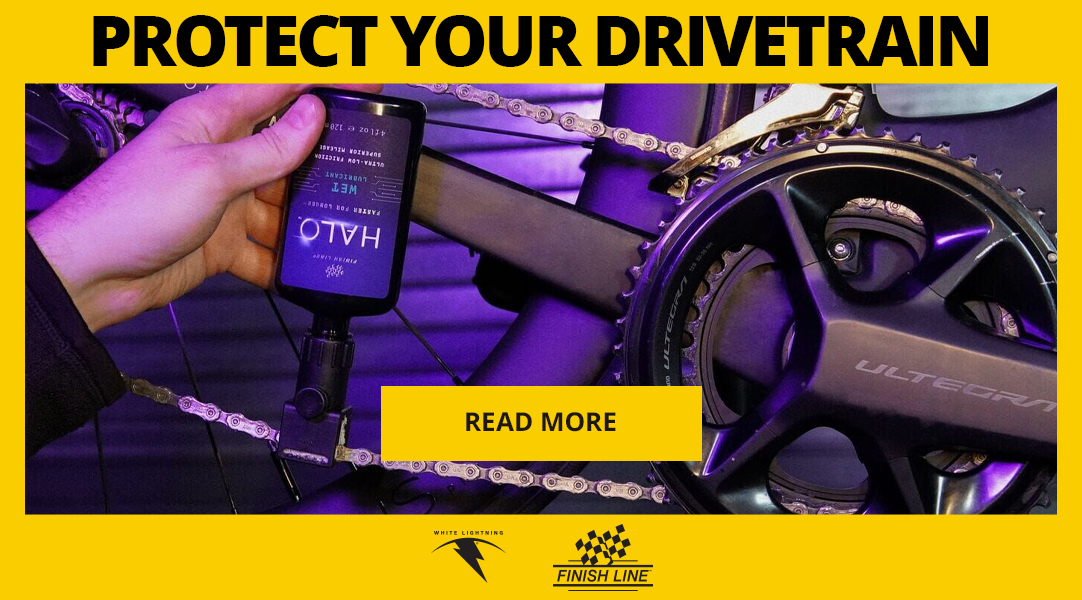
Sep 24 2025Autumn Bike Lube Guide: Keep Your Drivetrain Running Smooth in Wet, Muddy Conditions As the clocks go back and the rain sets in, autumn cycling brings its own set of challenges. Wet roads, muddy trails, and swirling leaves might make for scenic rides, but they’re hard on your bike - especially the drivetrain. Your chain, cassette, and derailleurs bear the brunt of the weather, and without the right lubrication, you’ll be facing noisy gears, rust, and premature wear in no time. The good news? A simple autumn bike lube routine keeps your ride smooth, quiet, and efficient no matter how filthy the conditions get.Why Lube Matters More in Autumn Autumn means wetter roads and more grime, and that combination works like sandpaper on your chain if it’s not properly protected. Lube creates a barrier against water, dirt, and corrosion, keeping your chain moving freely and extending the life of your components. A well-lubed chain: - Reduces wear and tear on expensive parts like cassettes and
-
The Best Autumn Cleaning Products for Wet and Muddy Rides
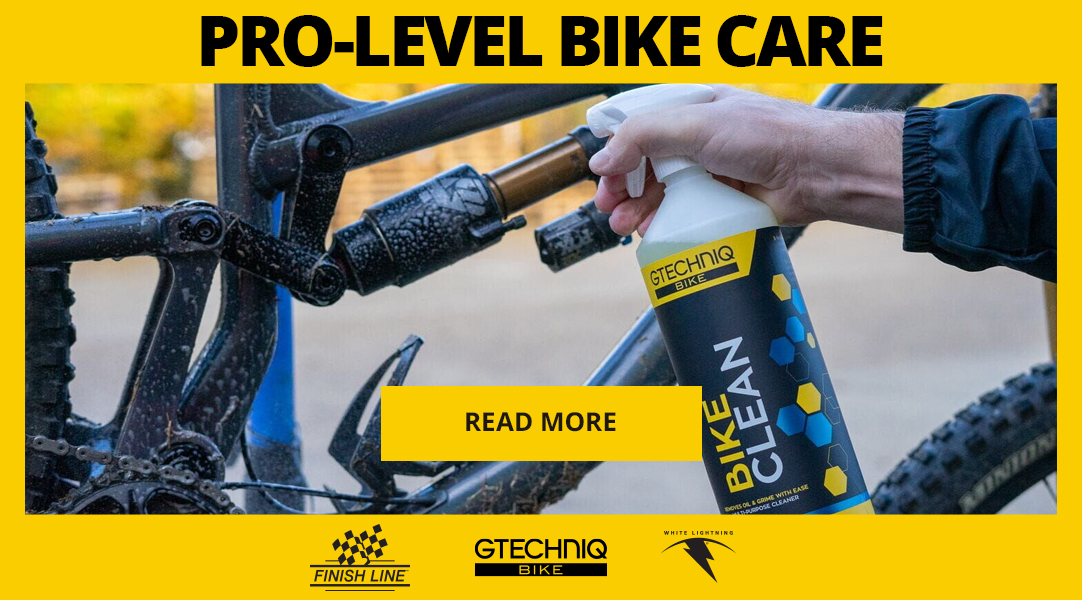
Sep 24 2025The Best Autumn Cleaning Products for Wet and Muddy RidesAutumn riding can be glorious, but the wet, muddy conditions can take a toll on your bike. Grit, grime, and road spray don’t just make your bike look a mess; they can shorten the life of your components if left unchecked. That’s where the right cleaning products come in. Here’s how Gtechniq, Finish Line, and White Lightning can help you keep your bike in top condition as the days get wetter and darker.Gtechniq: Pro-Level Bike Care for Every Ride Known for its car care expertise, Gtechniq brings the same advanced technology to cycling with a range of products that clean, protect, and maintain your bike like a pro. - Bike Cleaners: Gtechniq’s Bike Wash cuts through mud and grime without harming paint or finishes - Protective Coatings: The Bike Ceramic offers long-lasting protection, making your bike easier to clean next time - Finishing Touches: Products like Ceramic Quick Coat keep your ride looking sharp through the toughest
-
Don’t Get Left in the Dark: Why Autumn Rides Need Bike Lights
Sep 16 2025Don’t Get Left in the Dark: Why Autumn Rides Need Bike LightsAs the glow of autumn sets in, bike rides start looking a little different. The evenings creep in earlier, the mornings stay darker for longer, and that summer sun we all took for granted suddenly seems like a distant memory. For cyclists, this shift marks one important change: it’s time to make bike lights your new best friend.See and Be Seen When the days get shorter, visibility becomes key. It’s not just about lighting your way forward; it’s about making sure others can see you too. A good set of bike lights keeps you safe by: - Illuminating your route so you can spot potholes, puddles, or fallen leaves before they catch you off guard - Alerting drivers, pedestrians, and other riders to your presence, especially in low light or gloomy weather conditions Think of your bike lights as an extension of your high-vis clothing - essential for staying visible on the road.Choosing the Right Lights The world of bike lights can
-
What is the Vittoria Gravel Terrain Score?
Aug 11 2025The Vittoria Gravel Terrain Score helps you find the perfect tyre.From smooth hardpack to loose, technical trails, Vittoria’s new Terreno T Series is built to match every kind of gravel ride. With models ranging from T10 to T90, each tyre is precision-designed for a specific terrain type, so you can ride with confidence wherever the route takes you. Need help choosing the perfect tyre? That's where Vittoria’s Gravel Terrain Score tool makes it easy to pick the right tyre for your terrain and riding style. And now, the range gets even better:Terreno T50 £54.99 One tyre. Any terrain. All day. Positioned between the Terreno Dry and Mezcal, the T50 offers riders the flexibility to tackle everything from hardpack to mixed conditions.Terreno T60 £54.99 When conditions get rough, this tyre gets going. Designed for aggressive, ever-changing surfaces, the T60 brings confident control to unpredictable terrain.Both tyres feature: Endurance Formulation powered by Graphene - Dependability,
-
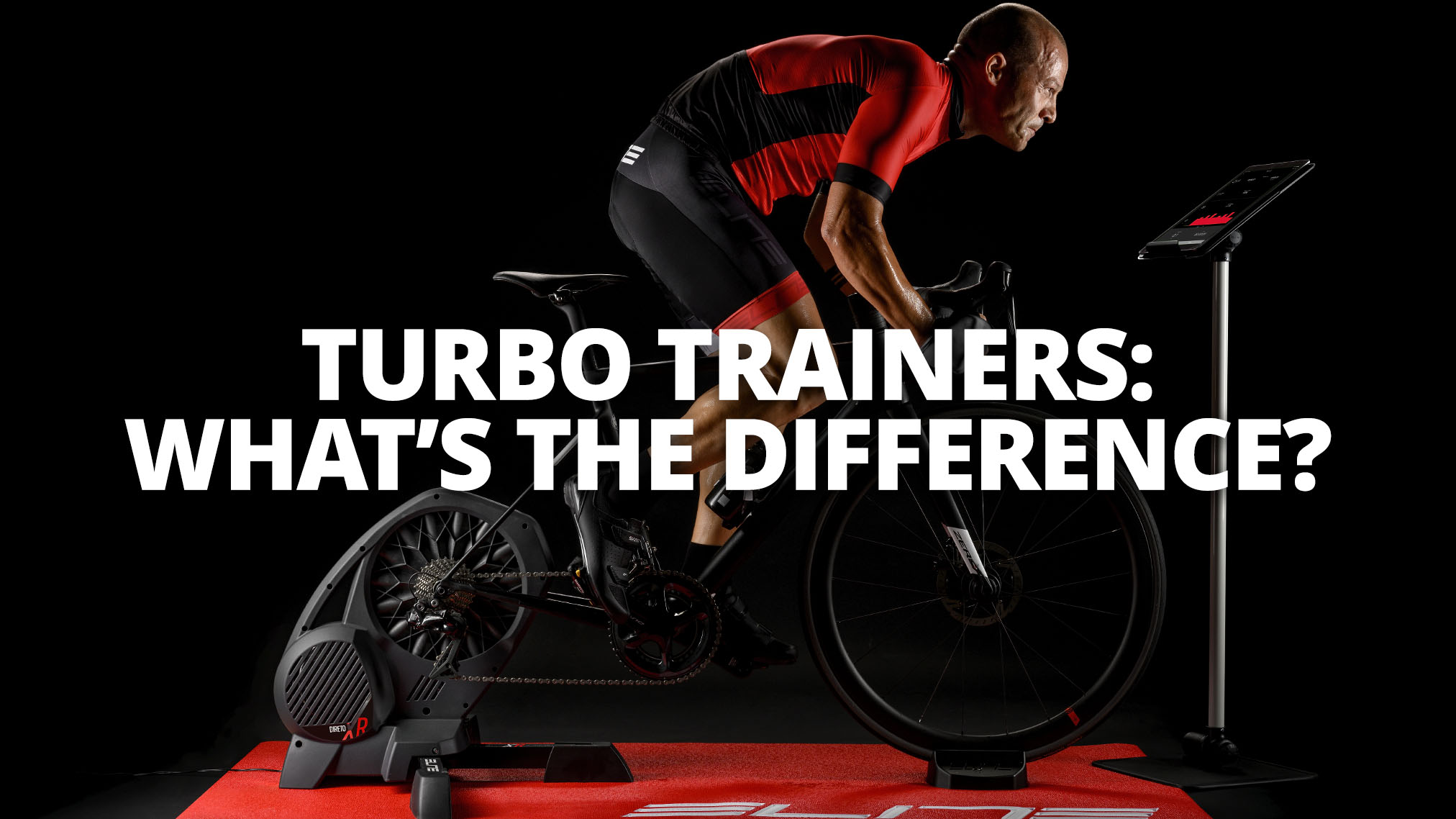
What are the Different Types of Turbo Trainers?
Jul 17 2025What Are the Differences Between Types of Turbo Trainers?If you’ve ever thought about riding indoors - whether to dodge the winter weather or just to squeeze in a quick spin - chances are you’ve looked into turbo trainers. But with so many types out there, knowing which one to go for can be a bit of a minefield. So, what are the actual differences between types of trainers? And how do you know which one suits your style of riding? Let’s break it down.The Three Main Types of Turbo Trainer (and What Makes Them Different)1. Basic TrainersThese are your entry-level, no-frills option. You pop your rear wheel onto the trainer, clip in, and ride. Resistance is either magnetic or fluid-based, and you change the effort level using your gears - just like you would on the road. They’re simple, solid, and great for riders who just want to get the legs turning indoors without fuss. Why choose one? - They’re budget-friendly - Setup is quick and easy - Great for steady rides or intervals Elite Pick:
-

How to Fit a Bike Rack: A Simple Guide
Jul 01 2025How to Fit a Bike Rack: A Simple GuideIf you’ve ever stared at a bike rack with mild confusion (or full-blown frustration), you’re not alone. Whether it’s for a weekend away or just getting to your local trail, knowing how to fit a bike rack properly makes life a whole lot easier - and safer too. In this guide, we’ll take you through the basics of fitting a bike rack, share some handy tips, and highlight a few brilliant options from Thule, available now at Freewheel.co.uk. NOTE: This guide offers general advice - always follow the specific fitting instructions provided by the manufacturer.1. First Things First: Pick the Right Rack Before you start strapping things to your car, make sure you’ve got the right type of bike rack for your setup. Thule has loads of great options depending on your car and how many bikes you’re carrying: - Rear-mounted racks – perfect for hatchbacks or SUVs and quick to fit - Roof racks – ideal for keeping the rear of your vehicle free (handy for parking!)
-
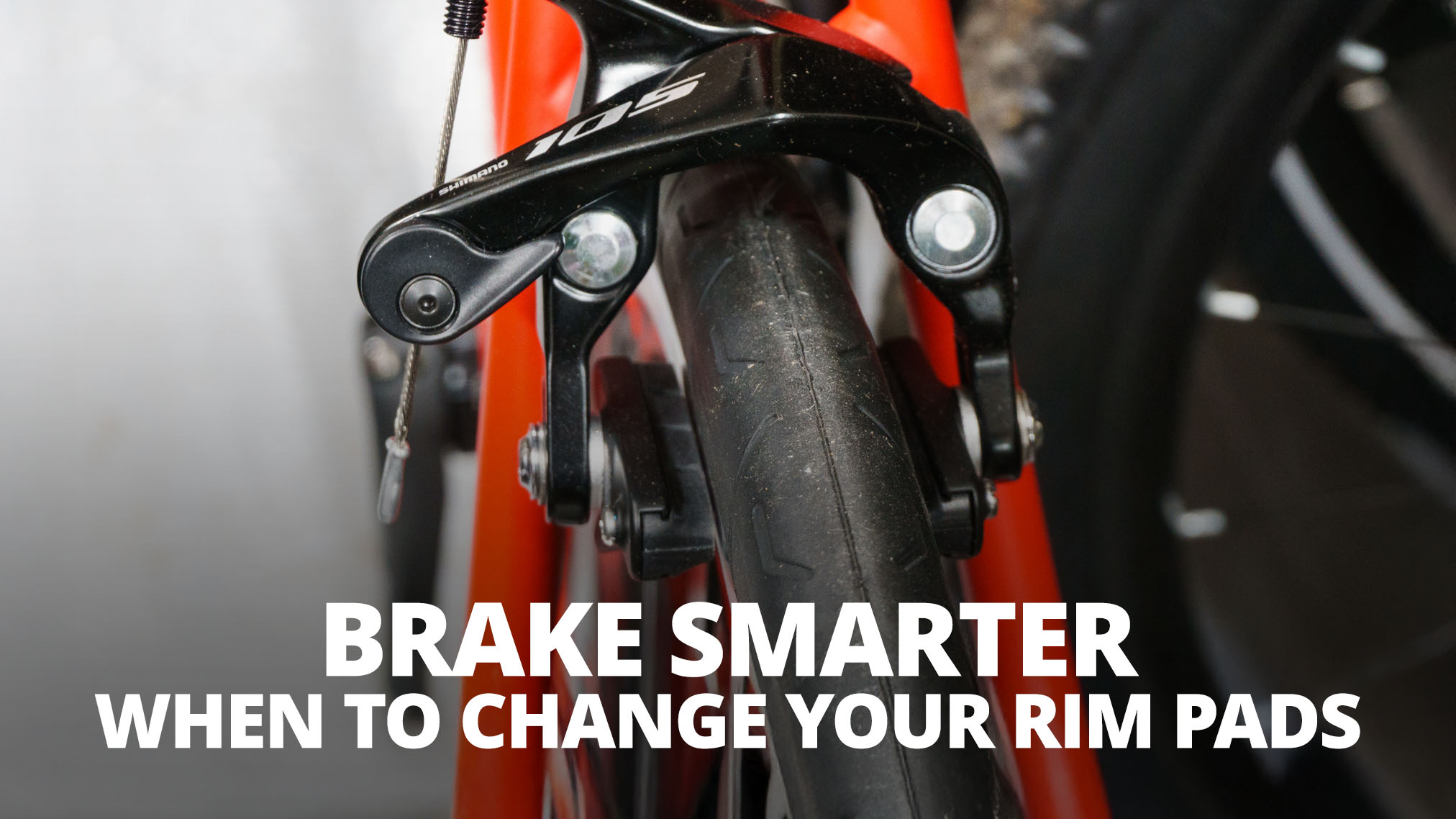
When to Replace Bike Rim Brake Pads
Jun 18 2025When to Replace Bike Rim Brake Pads (And How to Tell They're Worn Out)Your bike’s braking system is one of those things you don’t think much about - until it doesn’t work like it should. Rim brake pads might seem like a small detail, but they make a big difference in how safely and smoothly you ride. Whether you’re rolling around town or heading out for weekend adventures, knowing when to replace your brake pads is key to keeping things under control (literally).What Are Rim Brake Pads, Anyway?Rim brake pads are those little blocks - usually rubber or a similar compound - that press against your wheel rims when you squeeze the brakes. They’re common on road bikes, hybrids, and some mountain bikes with caliper, cantilever, or V-brake systems. Over time, these pads wear down, just like the soles of your shoes. And like shoes, they need replacing before they wear through.How Do They Work?When you pull your brake lever, the pads clamp onto the metal sidewalls of your wheel rim. That
-
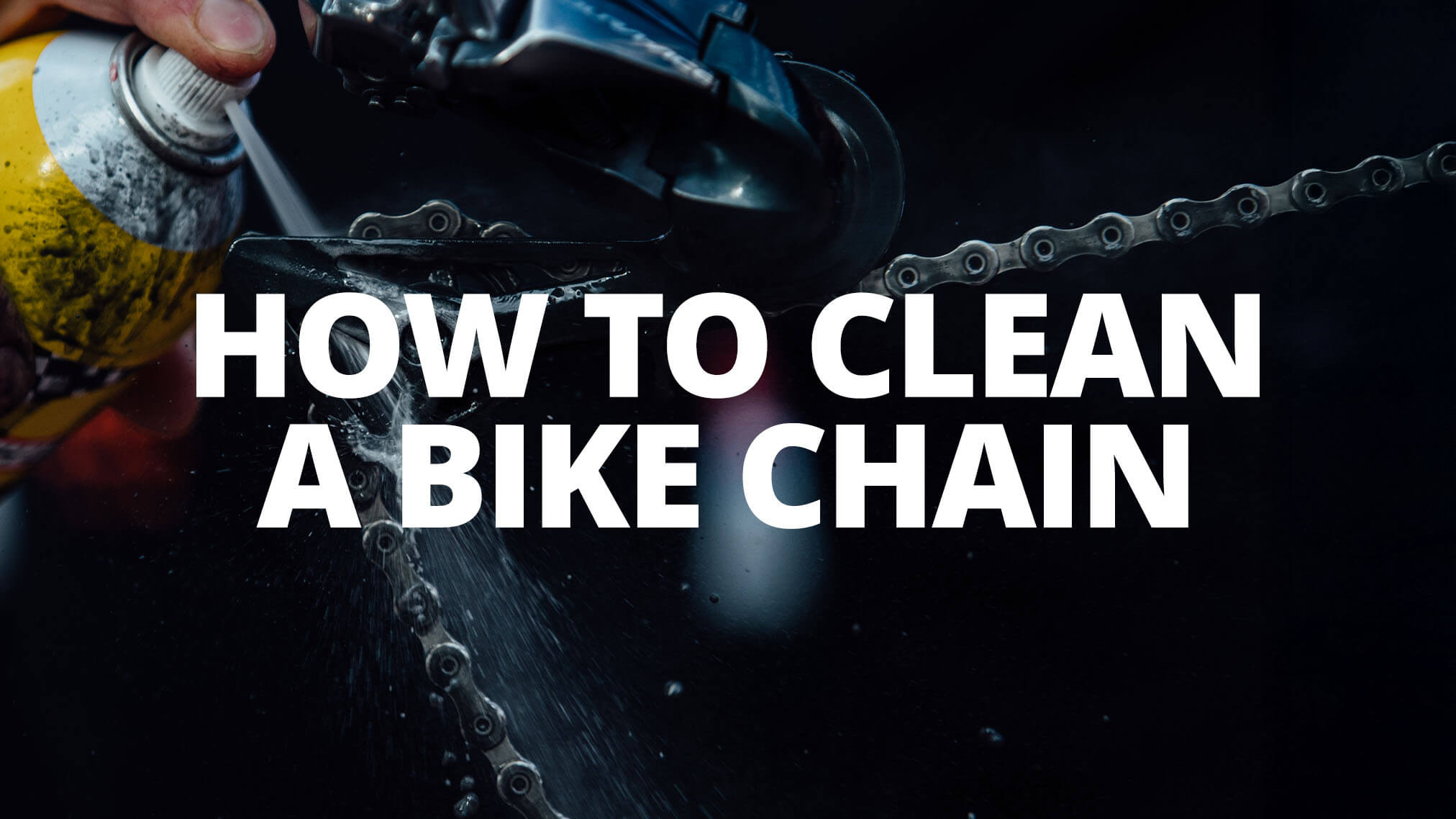
How to Clean a Bike Chain
May 28 2025How to Clean a Bike Chain: A Step-by-Step Guide for a Smoother RideIf your bike isn’t shifting smoothly, sounds gritty, or just feels sluggish, your chain is likely crying out for a clean. A dirty chain wears out faster, affects your drivetrain, and saps energy from every pedal stroke. Let’s walk through exactly how to clean your bike chain at home—plus we recommend some top tools and products to make the job easier and more effective. And of course, you can always pop in to your local bike store for help and advice on cleaning your bike chain. Why Cleaning Your Chain MattersYour bike chain goes through a lot. It picks up road grime, mud, dust, and debris - especially if you ride in wet or off-road conditions. Letting that build-up sit leads to: - Increased wear on your drivetrain - Rust or corrosion - Poor shifting and power transfer - Shortened chain life Cleaning your chain regularly (every 100-150 miles for road bikes or after muddy rides for MTBs) helps keep your bike running smoothly
-
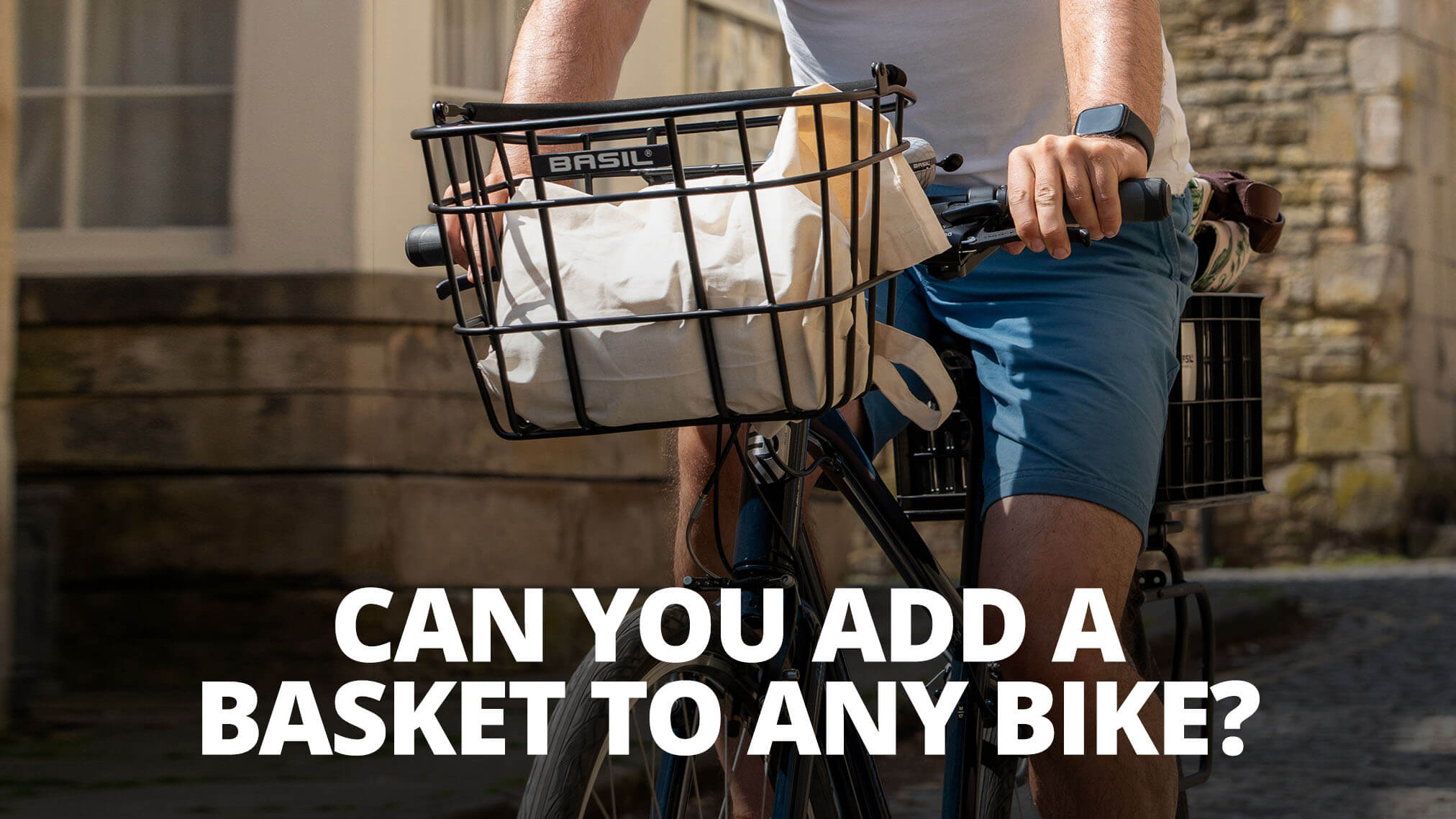
Can You Add a Basket to Any Bike?
May 22 2025Can You Add a Bike Basket to Any Bike? Here’s What You Need to KnowAdding a bike basket is one of the easiest ways to make your bike more practical for everyday. Whether you're picking up shopping, commuting with a backpack, or just want a place to stash your coffee and keys, a well-fitted basket can make your ride much more convenient. And although fitting bike racks is a relatively easy task, we always recommend you pop in to your local bike shop who’ll be happy to help! If your bike didn’t come with one, you might ask: Can I add a bike basket to my bike? The answer is usually yes - but there are a few things to consider first.Which Type of Bike Basket is Right for You?Front Baskets Front-mounted baskets attach to the handlebars or the fork. These are great for smaller items and are easy to access while you’re riding. Some clip on and off; others are permanently fixed. Rear Baskets These mount on a rear rack, giving more room and stability - perfect for heavier loads. If your bike
-

Which Size Bike Inner Tube Do I Need?
May 14 2025Which Size Bike Inner Tube Do I Need? body { font-family: Arial, sans-serif; line-height: 1.7; margin: 0; padding: 20px; background: #f9f9f9; color: #333; } h1, h2, h3 { color: #2a2a2a; } img { max-width: 100%; height: auto; margin: 10px 0; } a { color: #0073e6; text-decoration: none; } a:hover { text-decoration: underline; } .product { background: #fff; padding: 15px; margin: 20px 0; border-radius: 8px; box-shadow: 0 2px 5px rgba(0,0,0,0.05); } Which Size Bike Inner Tube Do I Need? Whether you’ve got a flat or you’re simply preparing for the inevitable, choosing the right bike inner tube is essential for a smooth and safe ride. But with so many sizes and valve types, it can be a little confusing if you’re not sure what to look for. This guide will walk you through how to check your current tyre, choose the correct valve, and help you find quality options — from affordable Nutrak tubes to premium performance by Vittoria — all available at Freewheel.co.uk. Step 1: How to Find Your Tyre Size The easiest way to determine the correct size inner tube is to check the sidewall of your bicycle tyre. You’ll see a number combination such as 700x25c, 26x1.95, 27.5x2.1, or 29x2.3. These numbers tell you two things: the first is the diameter of your wheel, the second is the width of your tyre. For example, if your tyre says 26x1.95, you’ll need an inner tube made for 26-inch wheels and tyre widths
-
How to bleed Shimano Drop bar brakes with Park Tool.
Mar 17 2025How to bleed Shimano Road Brakes with Park Tool.When it comes to educating people on how to fix their bikes, Park Tool are the best in the buisness. Take a look at the video below and follow their step by step guide on how to bleed your Shimano drop bar brakes. Calvin is using the Park Tool BKM-1.2 - Hydraulic Brake Bleed Kit For Mineral Oil to carry out the procedure with genuine Shimano Mineral Oil.
-
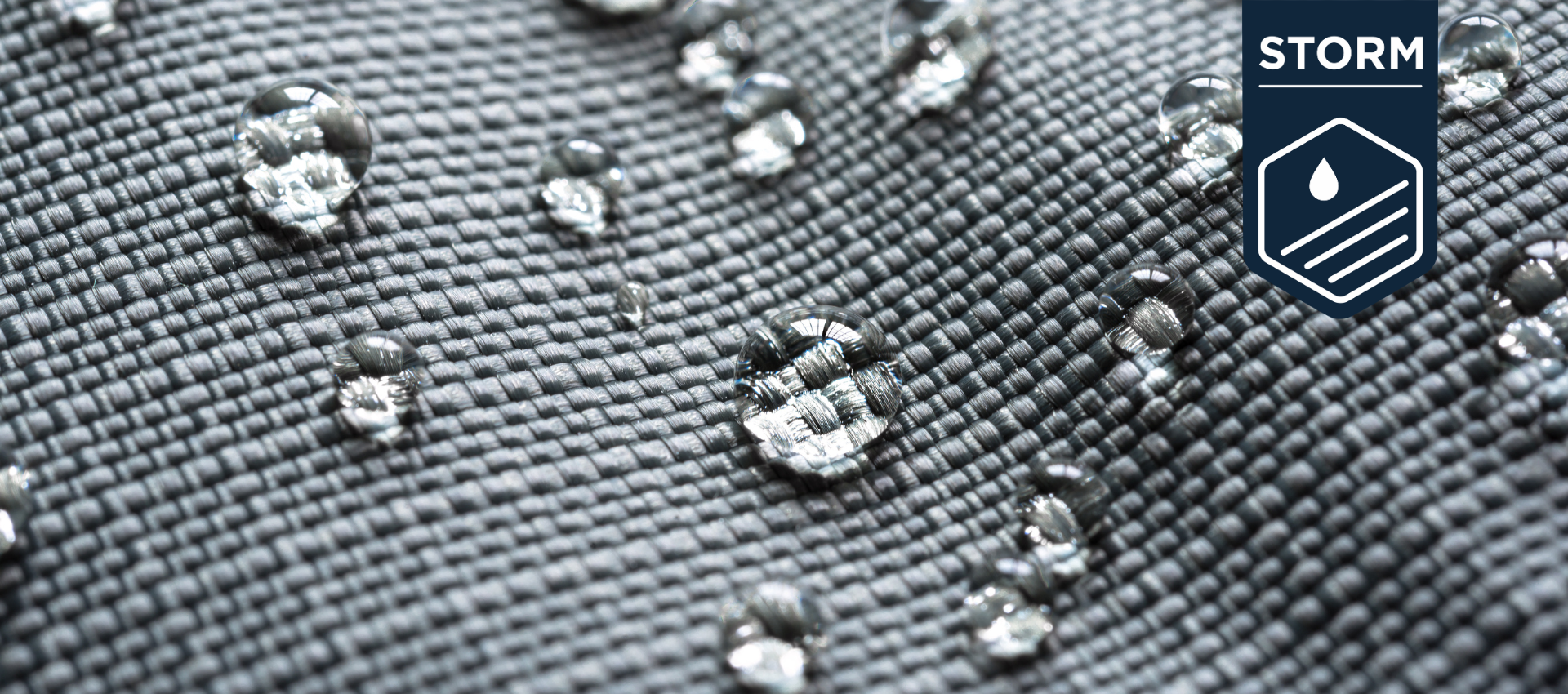
The Truth About Washing Waterproof Garments: Myths vs. Reality
Feb 24 2025The Truth About Washing Waterproof Garments: Myths vs. RealityA lot of people believe that washing a waterproof garment ruins its ability to keep water out. But that’s not true! The key isn’t avoiding washing altogether—it’s knowing when and how to do it properly. Step 1: Do You Really Need to Wash It?Before tossing your waterproof jacket into the machine, ask yourself: Does it actually need a full wash? If it’s just a bit muddy or has trail spray on it, a simple wipe-down with a damp cloth and warm water might be enough. Frequent washing can wear out your garment faster, so only wash when necessary. Step 2: Use the Right SoapIf a wash is needed, using the correct detergent is crucial. Regular biological detergents can damage the waterproof membrane, making your jacket less effective at keeping you dry. That’s why we recommend STORM Eco Wash—it cleans thoroughly without harming the waterproof layer. Step 3: Wash & Dry CorrectlyTemperature: 30°CCycle: Synthetic washDrying: Leave indoors
-
Ultimate Bike Protection from Gtechniq
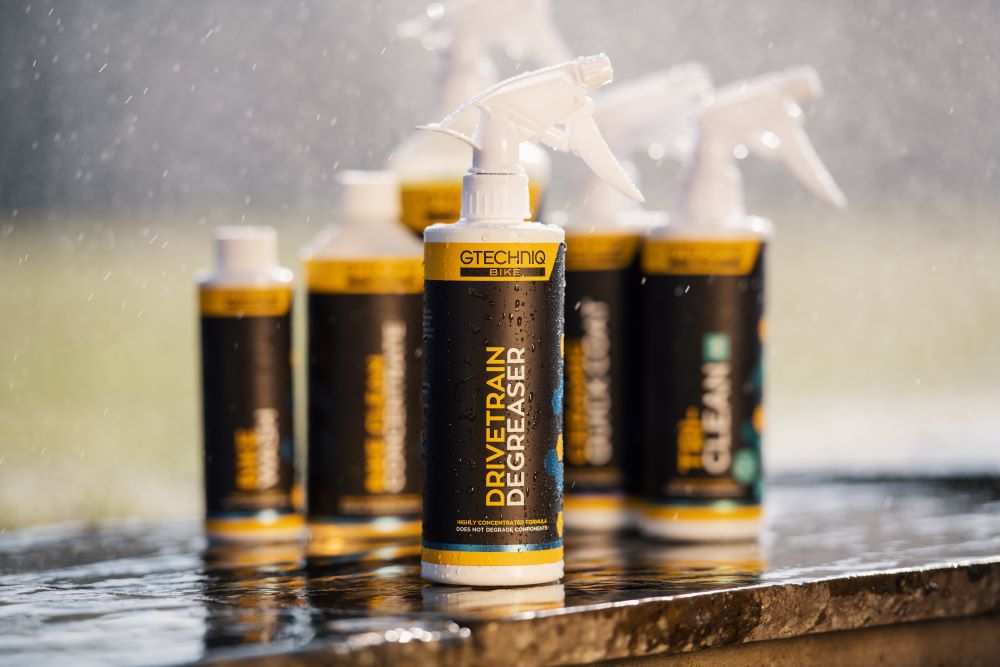
Oct 30 2024Ultimate Bike Protection from GtechniqWith over 20 years of experience protecting high-end vehicles in the automotive and marine industries, Gtechniq has become a trusted leader in surface protection. Now, Gtechniq brings its renowned smart surface technology to the cycling world, offering the same level of care and precision to bicycles. Developed in-house at Gtechniq's global headquarters in Northamptonshire, this range is tailored specifically for cyclists seeking to protect and maintain their bikes. Gtechniq’s bike care line includes: BIKE CLEAN, BIKE CLEAN CONCENTRATE, BIKE WASH, CERAMIC QUICK COAT, DRIVETRAIN DEGREASER, TRI-CLEAN and BIKE CERAMIC. What's the Difference Between Bike Clean and Bike Wash? Bike Clean: A spray-on cleaner designed to dissolve and break down grease and oils, making it easy to remove mud and grime from the bike’s frame.Bike Wash: A shampoo with strong surfactants for a deeper clean. Used with warm water and a Gtechniq Bike Wash Mitt, it restores
-
How to Install Shimano SPD-SL Cleats
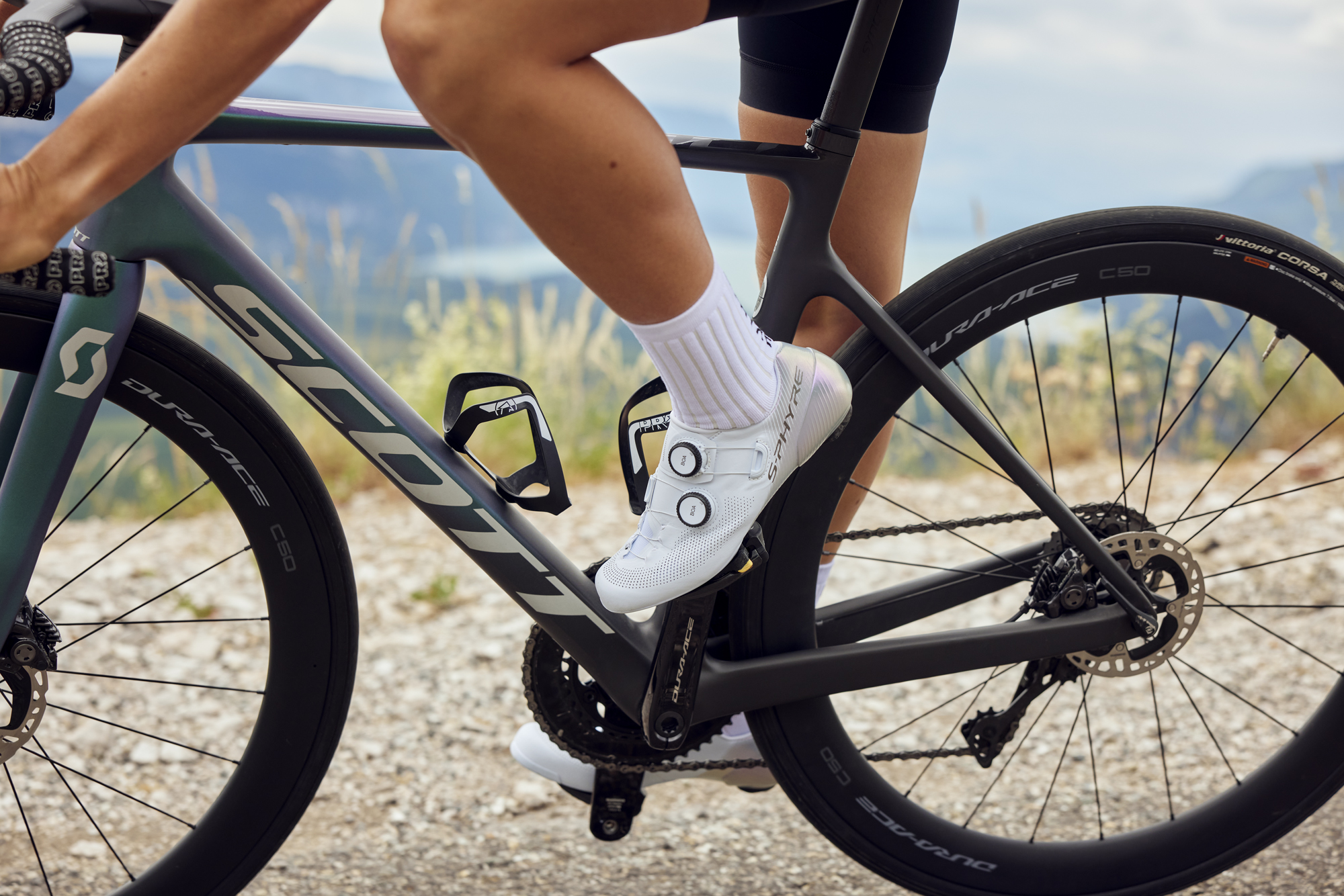
Jun 18 2024How to Install Shimano SPD-SL CleatsStep for installing cleatsInstalling cleats can be a bit fiddly, but it's empowering to know how to do it yourself! Here’s a step-by-step guide to help you out. Step 1: Locate the Attachment PointsOn the bottom of your SPD-SL cleat-compatible cycling shoes, you’ll find three holes about one-third of the way down. This is where you will attach the cleats. Step 2: Position the CleatsPlace the cleat on the sole of the shoe, aligning the cleat holes with the three holes in the shoe. Note that the cleats are identical for both the left and right shoes. Step 3: Insert Washers and BoltsPosition a cleat washer over each hole, and insert a cleat bolt through each washer into the hole. Use a 4 mm hex wrench to lightly tighten the bolts. Step 4: Adjust the Cleat PositionTo find your optimal cleat position, get on your bike and pedal a few strokes. Adjust the cleat forward, backward, left, or right until your knees are in line with your toes and there is
-
Prepare for your ride with Freewheel
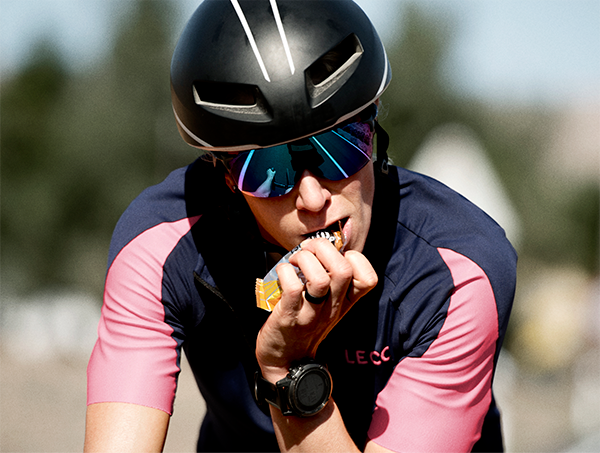
Apr 16 2024Five top tips for making sure you’re ready for your next big ride If you fail to prepare, then you should prepare to fail. Okay, that might be a bit extreme in the context of bike riding but the principle does ring true. If you have a big ride or event coming up then the best thing you can do to have a fun and stress-free experience is make sure you have everything you need. There will always be things that happen that are out of your control but if you follow our five tips below, you’ll have the best chance of navigating any mishaps on the day. Tip One: Dress for the occasion You never know what the weather will throw at you on a long ride so consider a gilet or packable water-resistant jacket. Arm and knee warmers are also a great way to stay warm but easily packable should things heat up. https://www.freewheel.co.uk/brands/madisonTip Two: Fuel your ride Make sure you go in with a nutrition plan to avoid the dreaded ‘bonk’. Depending on the length of your ride make sure you have
-

Things you need to know about: torque wrenches
Feb 02 2024Correctly tightening different parts of the bike is very important for two sort of corresponding reasons. Firstly, you want to make sure things are tight enough so that they dont work loose while you're riding. The flip side of that is that you also don't want to tighten parts of the bike up too much and end up damaging anything. Basically, there's a fine balance between not tight enough and too tight, and that's where torque wrenches come in. Torque is a twisting force (technically a measure of the force causing something to rotate round an axis), and it's what you measure when you're tightening any bolts on your bike. You will (or should) have noticed that every bolt on a bike has a torque rating that the manufacturer recommends and it's important to make sure that those bolts are tightened to within that range. For example, Shimano Hollowtech II cranksets have two fixing bolts on the non-drive side, and those are meant to be between 12-14Nm (that's Newton metres). In fact, Shimano
-
Check out this lovely gravel bike build from Park Tool
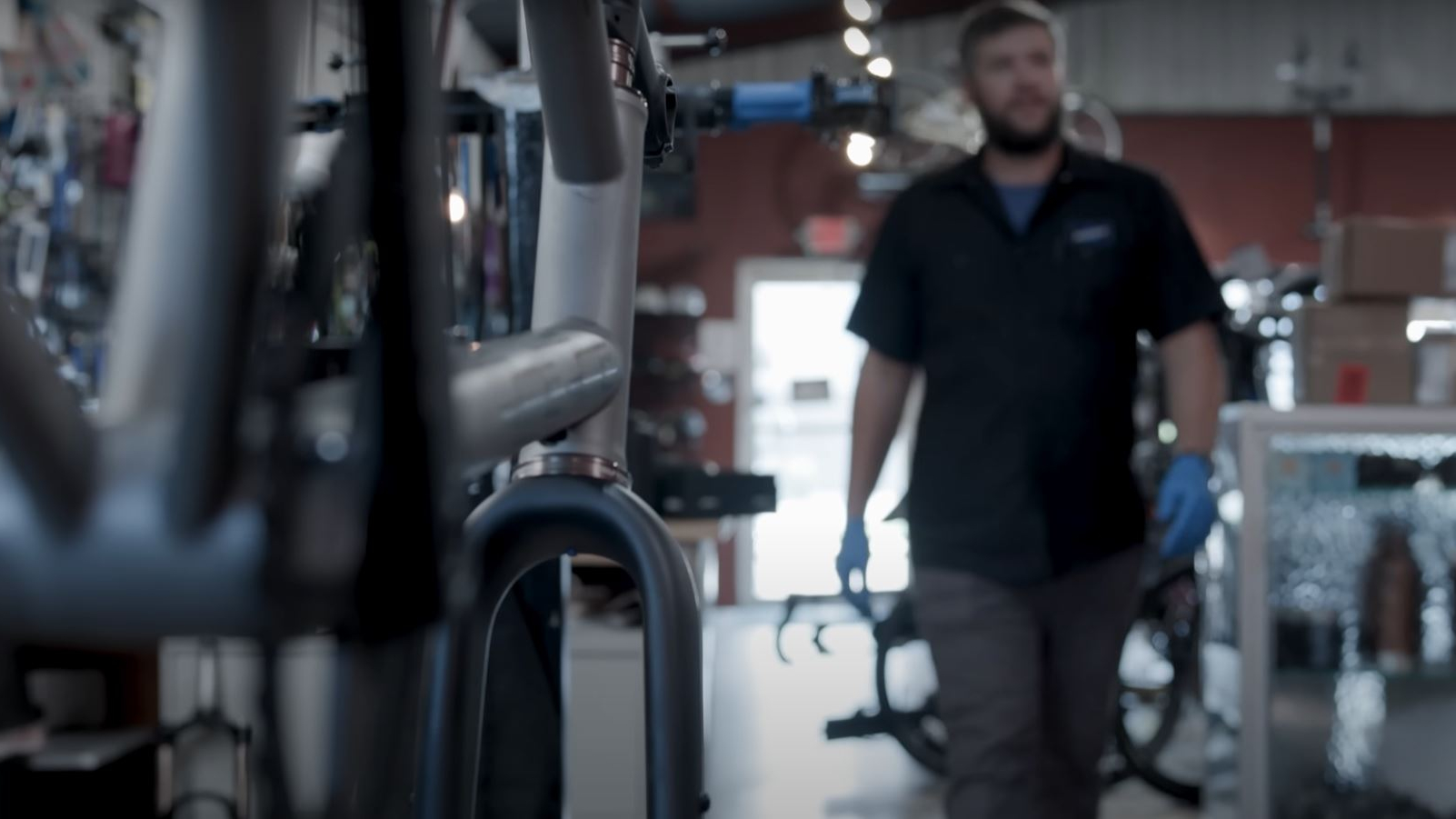
Jan 17 2024If you had to pick one thing that the guys and girls from Park Tool are pretty good at, it would probably be building bikes. A bike tool brand being good with bikes is as expected as water being wet. But still, it's always very satisfying to watch someone who's really good at what they do doing it really well. That someone here is Truman from Park Tool, who's building a very nice gravel bike in what looks like a very nice workshop. It also includes a bit of head tube and bottom bracket facing, which definitely isn't something you see every day now that the vast majority of mid- to high-end bikes are carbon. So sit back, relax and watch as a build comes together...
-
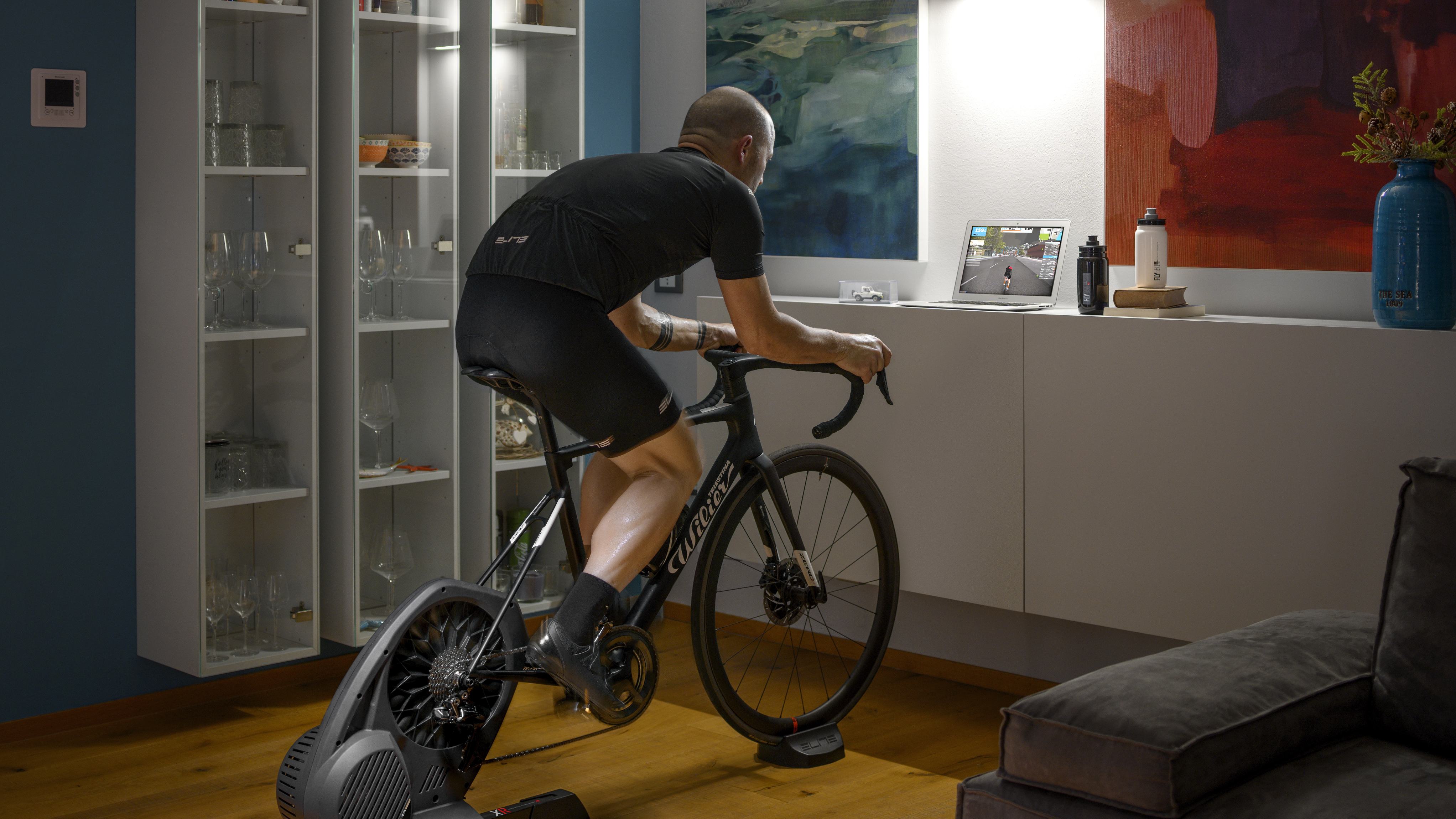
Everything you need to beat the winter weather by riding indoors
Nov 30 2023Riding indoors is a world away from what it used to be. Turbo trainers have changed hugely from what they were just a decade ago, and the advent of things like Zwift means that you can virtually ride with other people in groups, compete in races or simply have something more interactive than just staring at a garage wall or your TV screen for hours on end. The flip side, of course, is that while things have become significantly smarter and more interesting the price of indoor training has increased proportionally so that if you really want the most comprehensive setup you can then it's going to cost you. What we have here are three potential indoor training setups at various price points and different levels of interest. So whether you just want to keep the pedals turning in the dry or commit fully to indoor training there's something here for you. This is absolutely not someone's home setup. But you see what we're getting at. Setup 1 - the minimalist If you want to get riding indoors
-
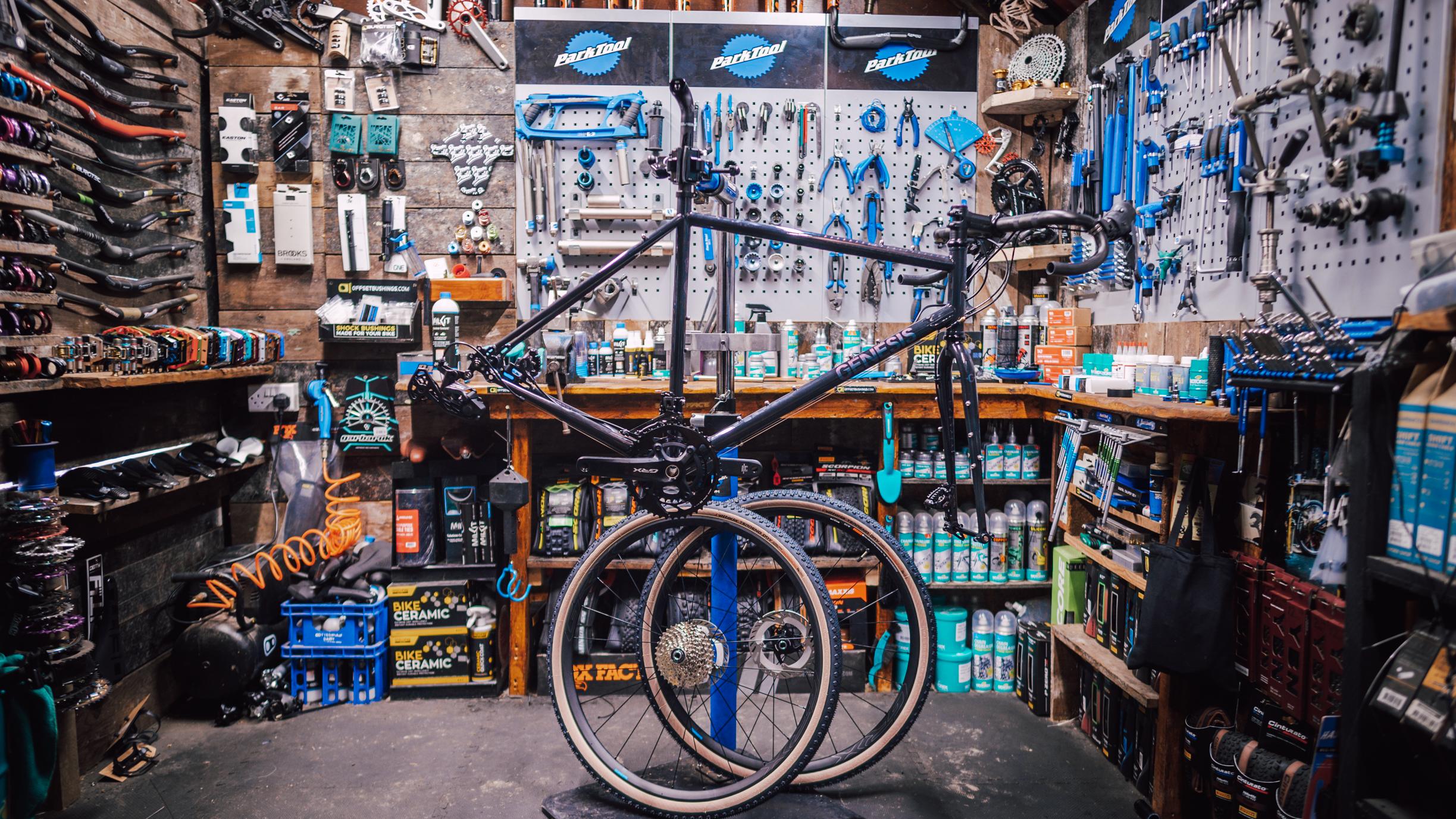
Brake bleeding FAQ from the guys at Park Tool
Oct 15 2023Hydraulic disc brakes are one of the best things to have become widespread on bicycles in the last decade. They're powerful, have great feel and require very little maintenance when setup correctly due to being a sealed system. Setting up hydraulic brakes is called bleeding, and it's the process by which you remove air from the system. The reason you need to do this is that air is compressable while hydraulic fluid is pretty much the opposite, so the more air there is in the brake system the more inconsistent and 'spongy' your brakes will feel. The trouble is, bleeding is often seen as a one-size-fits-all solution to almost any problems you might have with your hydraulic brakes. But in reality there are only certain situations that you need to bleed the brakes, while other symptoms will actually require other remedies (like changing the pads, for example). In the below video Truman and Calvin from Park Tool talk you through 5 things that mean you need a brake bleed and five things that
-
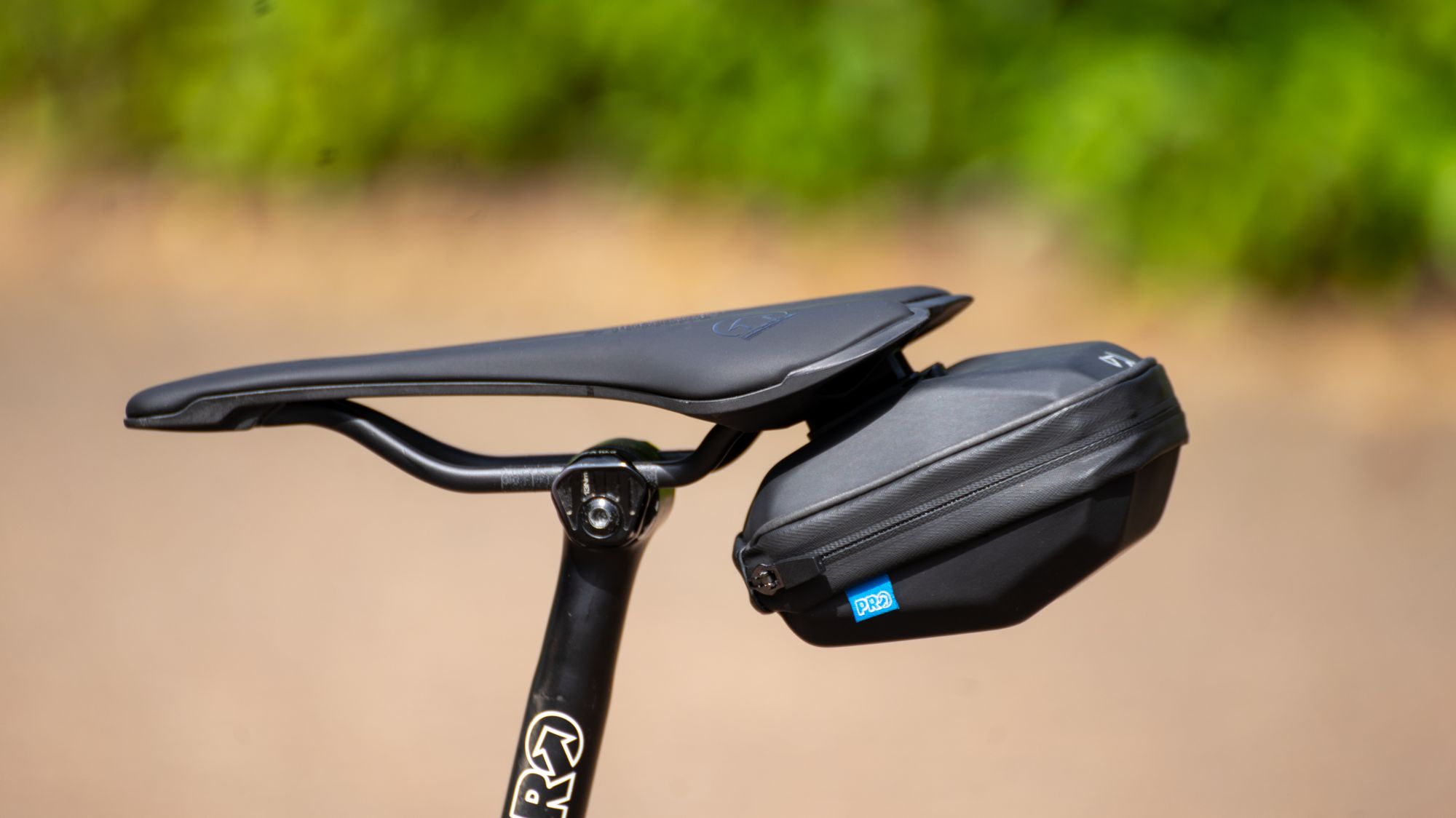
Things to pack in your saddle bag (aka getting home when the worst happens)
Jun 21 2023Before anyone gets hung up on our use of the term 'saddlebag' this isn't just about neatly organising whatever you hang off your saddle rails. It's about what to take with you in whatever you use to carry spares be that jersey pockets, a hip pack, frame bag, bar bag, hydration pack or any other form of storage short of a team car. Riding bikes is great, but every now and then - just like with cars - something unfortunate will go wrong and require some kind of on-the-fly repair. Fortunately bikes are much easier to fix by yourself than motor vehicles, and 90% of things can be at least temporarily mended by the road or trail side. So here we're going to discuss what it might be nice to have with you to cover the greatest variety of potential mid-ride issues from punctures to bolts to chains and back again. Here we go...Spare inner tube and/or tubeless plug Before tubeless really took off, this was a far easier sub-heading to write. It went like this: spare tube, tyre levers, patches.
-
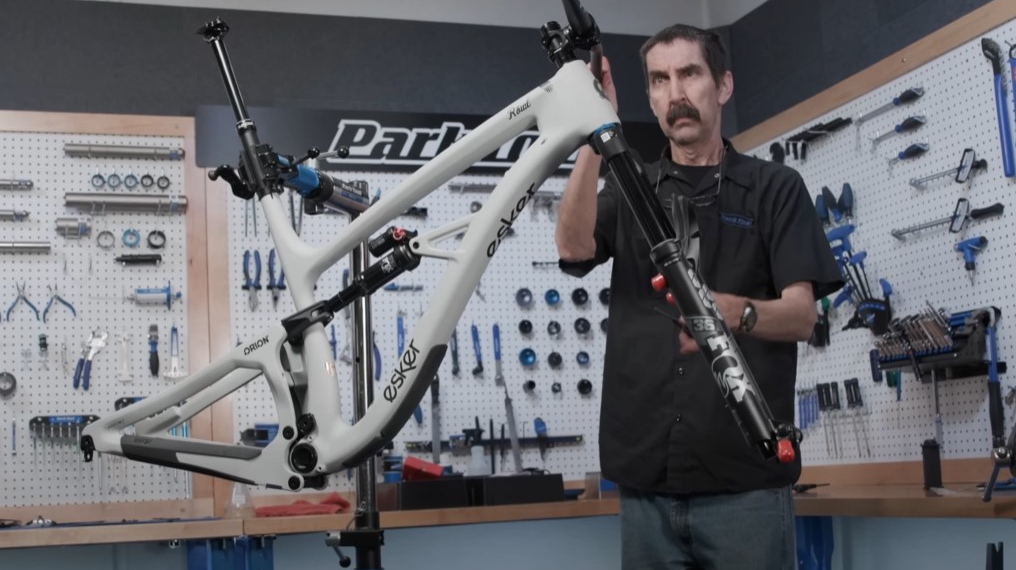
Watch Calvin from Park Tool build a bike
May 31 2023If there's one man on planet Earth that knows his way around a bike, it's Calvin Jones from Park Tool. More years in the business than he'd care to remember, more bikes built than you could possibly count and still more enthusiasm than almost anyone else we know. This is a slightly different video than the standard fare that Park Tool upload in that it's not directly instructional on any single part of bike building or maintenance. Instead, it's Calvin building a bike and talking his way through it for your viewing pleasure. Enjoy. If you liked that video, you can find many, many more over on Park Tool's YouTube channel. And if you're in the market for another addition to your home workshop (and let's be honest, what home mechanic isn't) you can browse the entire Park Tool range right here on Freewheel.
-
How to service your MTB regularly with Shimano
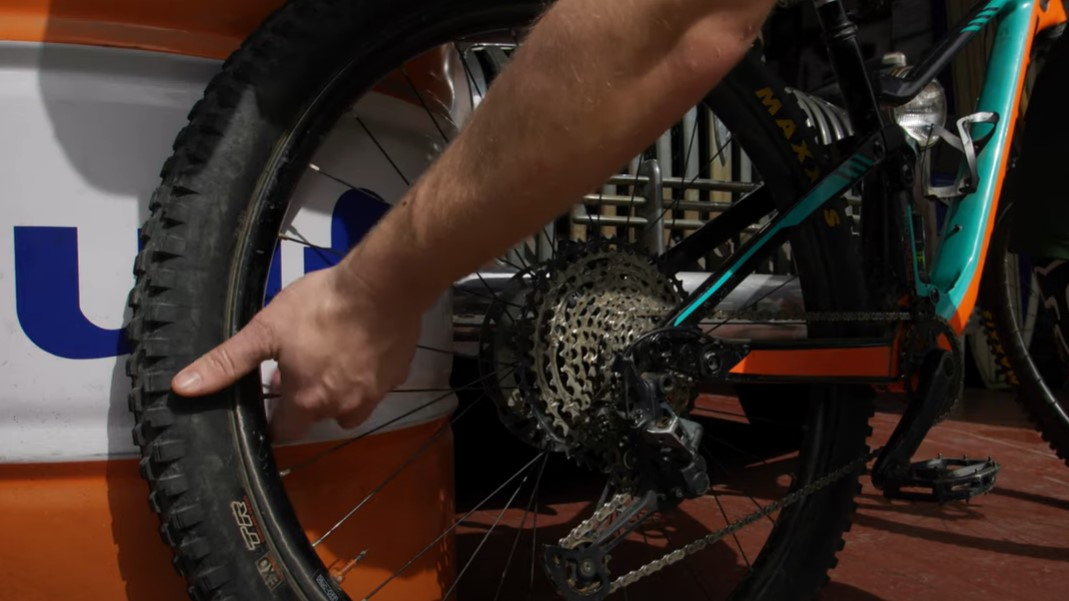
Feb 14 2023Bikes need love too. Not in the whispering sweet nothings and romantic dinners sense (although if that's what you're into then we're not here to judge) but more in the 'if you ignore them they wont work very well' sense. All bikes need regular maintenance, but MTBs tend to have a harder life than almost all other types of bike so need to be checked regularly and thoroughly to make sure they're still ready to ride. One way to do that is to take your bike to your local Shimano Service Center and get them to give it a full check up. But in between those semi-regularly Service Center visits you need to look after your bike at home and that's where this helpful video (below) comes in. Anna Glowinski talks to H+I Adventures lead guide and Shimano trained mechanic Chris Gibbs about what you should do yourself to make sure your bike is in good condition every time you ride. If you want to take your bike for a check-up at your local Service Center you can find your nearest one on the Shimano
-
How to build your perfect indoor training setup
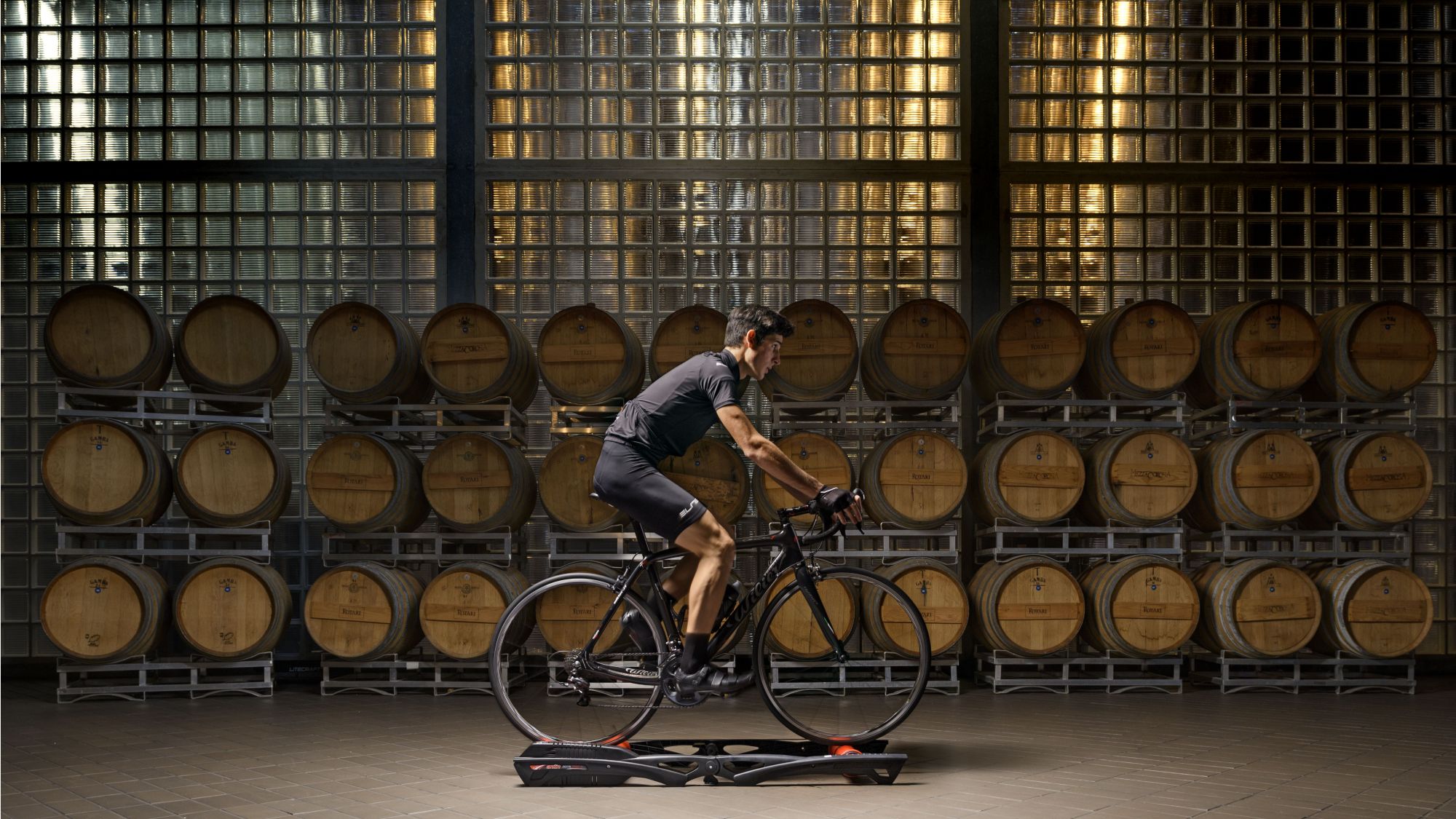
Nov 09 2022Once upon a time, indoor training was seen as a chore. A necessary evil that kept your legs spinning through the winter and was endured rather than enjoyed by pretty much everyone who could bring themselves to suffer through 90mins on a static bike with nothing but the wall in front of you to keep you company (or maybe the TV or whatever, but that ruins the bleak picture we're trying to paint here). Over the last decade though, indoor training has changed out of almost all recognition. Sure, you still attach your bike to an indoor trainer and pedal for however many minutes your planned session lasts, but now instead of trying to keep your mind off the suffering, there are all manner of things designed to help you actually enjoy it. The first of these things is what Elite calls the Interactive Trainer. Far from the wheel-on, monotone trainers of old, these things are really rather advanced and connect to your phone/iPad/computer via ANT+ or Bluetooth LE, and communicate with training software