
When to Replace Bike Brake Pads: Tips & Top Brands | Freewheel
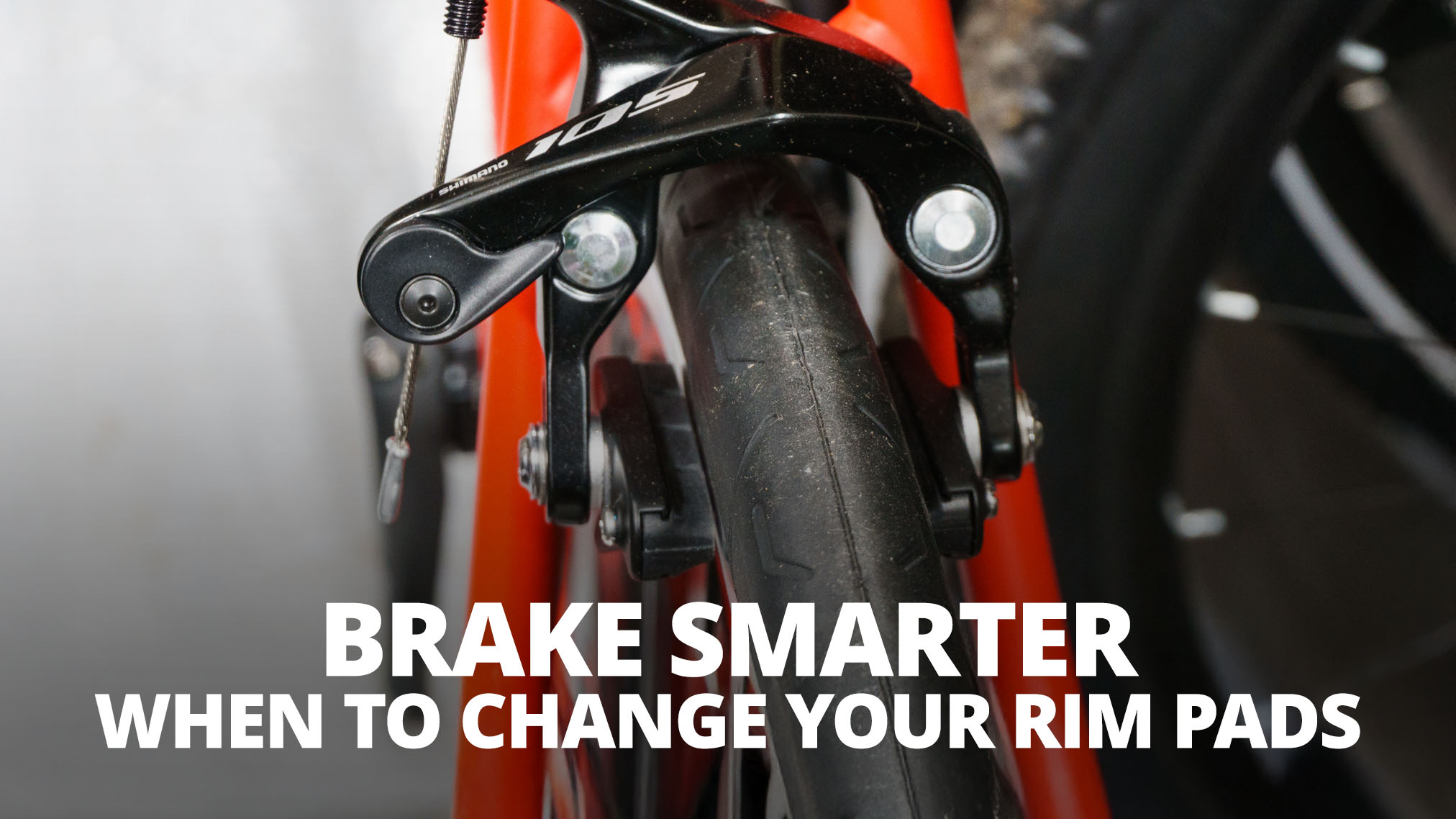
When to Replace Bike Rim Brake Pads (And How to Tell They're Worn Out)
Your bike’s braking system is one of those things you don’t think much about - until it doesn’t work like it should. Rim brake pads might seem like a small detail, but they make a big difference in how safely and smoothly you ride. Whether you’re rolling around town or heading out for weekend adventures, knowing when to replace your brake pads is key to keeping things under control (literally).
What Are Rim Brake Pads, Anyway?
Rim brake pads are those little blocks - usually rubber or a similar compound - that press against your wheel rims when you squeeze the brakes. They’re common on road bikes, hybrids, and some mountain bikes with caliper, cantilever, or V-brake systems. Over time, these pads wear down, just like the soles of your shoes. And like shoes, they need replacing before they wear through.
How Do They Work?
When you pull your brake lever, the pads clamp onto the metal sidewalls of your wheel rim. That friction slows the wheel - and you - down. But that friction also causes the pad to slowly wear out, especially if you ride in the rain, on gritty roads, or use your brakes heavily on descents.
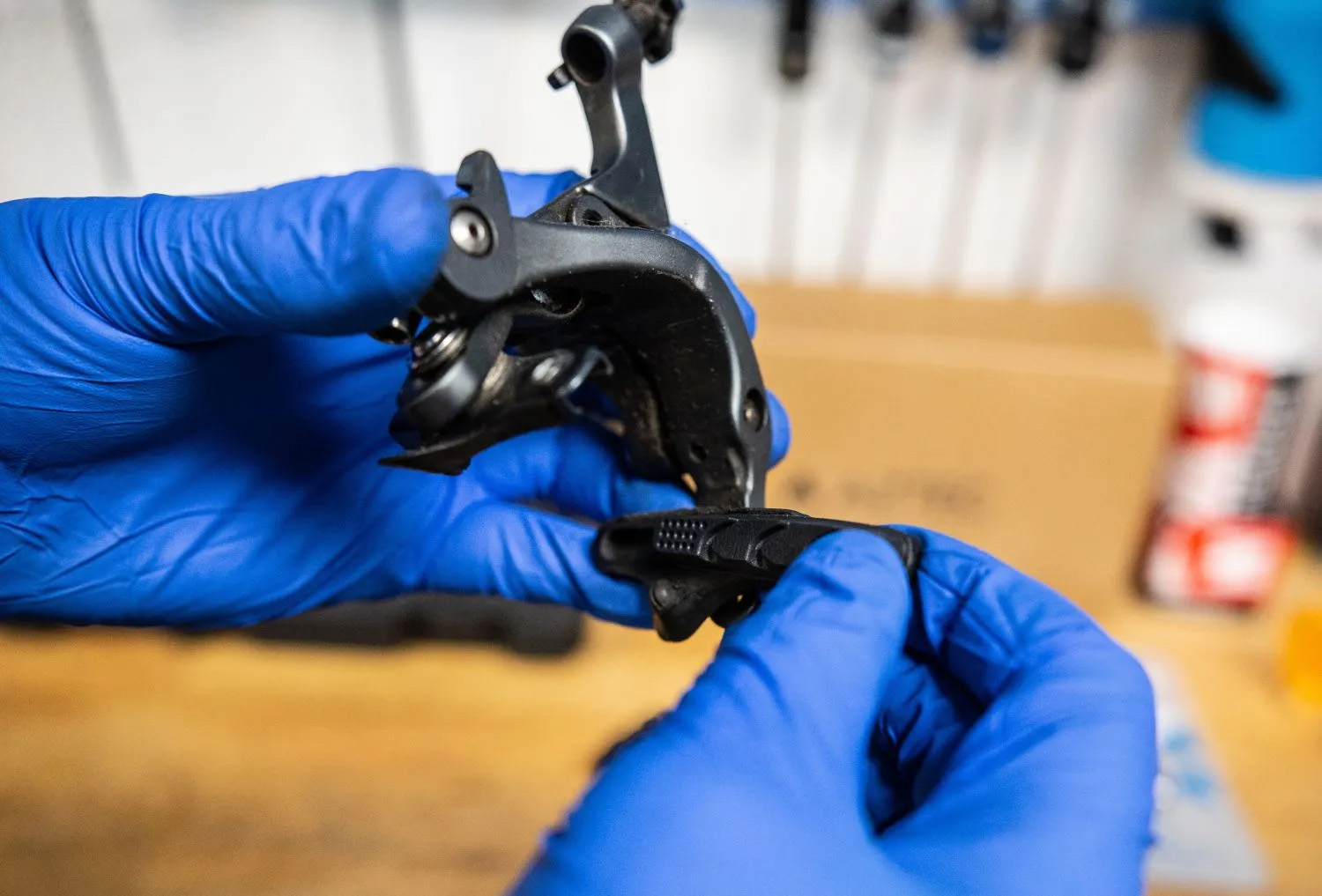
When Should You Replace Rim Brake Pads?
1. The Grooves Are Gone
Most pads have little grooves or wear indicators molded into them. If those are gone, it’s time to swap them out.
2. They’re Looking Thin
If the rubber’s down to about 1–2 mm thick, you’re pushing your luck. Replace them before they wear all the way through.
3. Weird Noises
If you hear scraping, squealing, or a sort of grindy sound, that’s a warning. Your pads might be worn, misaligned, or contaminated with grit.
4. Uneven Wear
One pad looking way more worn than the other? Could be poor alignment, and either way - it’s worth replacing them.
5. Reduced Braking Power
If it feels like you’re pulling harder on the levers but slowing down less, your pads might be glazed, worn, or just tired.
How Often Should You Replace Rim Brake Pads?
It depends on how and where you ride. Here are some rough guidelines:
- Every 2,000–5,000 miles for most riders.
- More often if you ride in wet, hilly, or gritty conditions.
- Less often if you ride mostly flat, dry roads with light braking.
Your riding style, weight, and the type of pads you use all play a part, too.
Quick DIY Check
Want to check your brake pads at home? Here’s what to do:
1. Spin your wheel and apply the brakes to see how the pads engage.
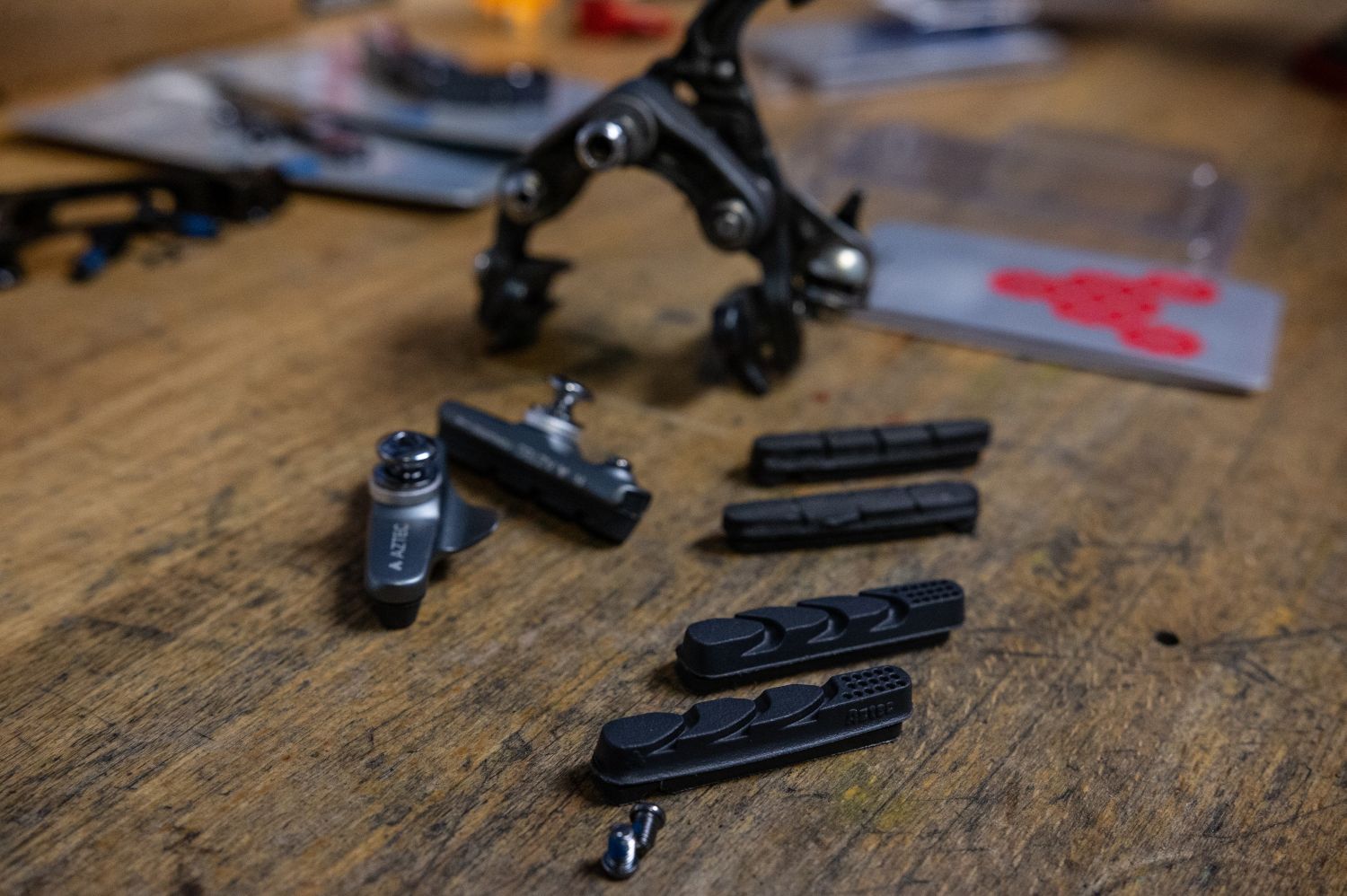
2. Look closely - check for depth, grooves, and any embedded debris.
3. Feel the surface - if it's hard and shiny, the pads might be glazed and need replacing.
No need for fancy tools. A good light and a bit of patience do the trick.
Shimano vs Aztec Brake Pads: Which Ones Should You Use?
Once you’ve decided it's time to replace your pads, choosing the right brand makes a difference.
Shimano Brake Pads
Shimano’s brake pads are known for reliability, durability, and solid all-around performance. Models like the R55C4 (for road bikes) or M70T4 (for V-brakes) are popular because they last long and provide consistent braking in most conditions. They’re a great choice if you want something proven and easy to find.
Aztec Brake Pads
Aztec pads are a solid alternative - especially for riders in the UK and wetter climates. They offer excellent wet-weather performance and come in cartridge-style inserts, which are super convenient if you already have carriers on your bike. Their All-Weather V-type Inserts are a favorite for commuters who want confident stopping power in all conditions.
Which is better?
It really comes down to your riding style and preferences.
Shimano brake pads are known for their durability and consistent, all-round performance. They’re a solid choice for riders who want long-lasting pads that perform well in a range of conditions, especially on dry roads or for longer-distance riding.
Aztec pads, on the other hand, are designed with UK weather in mind. Their grippy compound offers excellent braking power in wet and variable conditions, making them a great option for commuters and year-round riders who regularly face rain and road grime.
Both brands offer high-quality options - it’s just a case of picking the one that suits your terrain, weather, and riding habits best. Some riders even switch between the two depending on the season.
The Last Word on Bike Brake Pads
Rim brake pads don’t last forever - and you don’t want to find out they’re toast when you're flying downhill. Give them a quick check every few weeks, especially if you’ve been riding in the wet or over rough ground. Swapping in a fresh set of pads only takes a few minutes, and the peace of mind is worth it.
Looking for replacements? Whether you go with Shimano or Aztec, just make sure they’re compatible with your brake type - and take a few minutes to align them properly for the best performance.
And remember, your local bike shop is always the best place to ask for help and advice on bike maintenance.